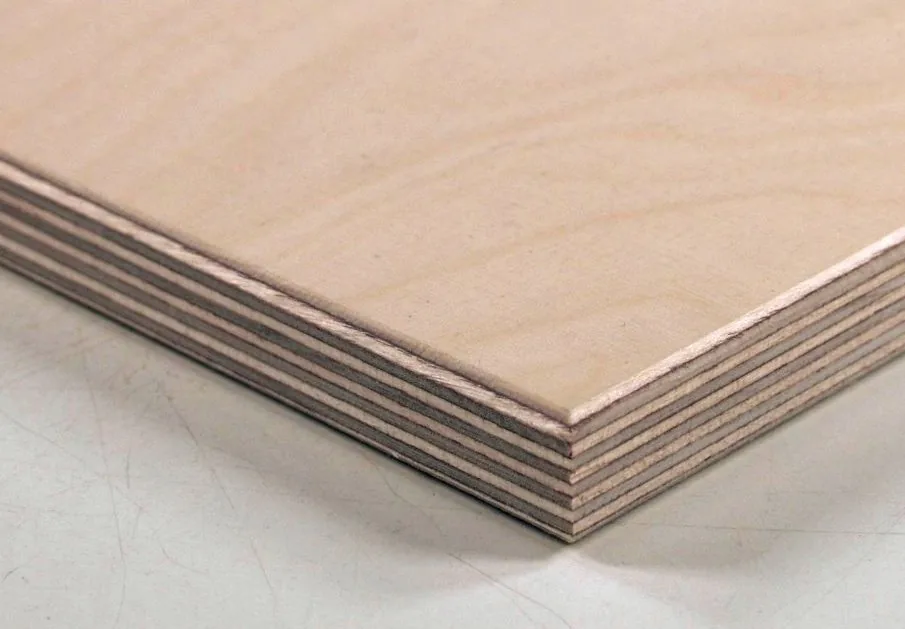
Birch Plywood — Face
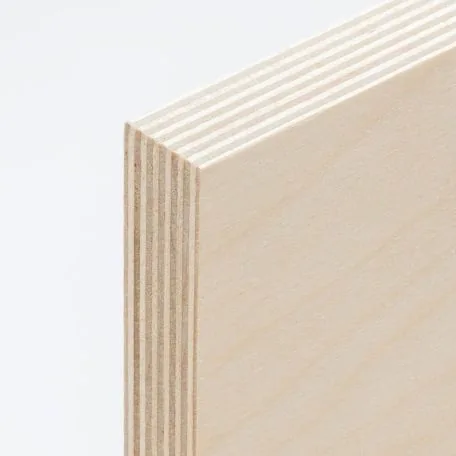
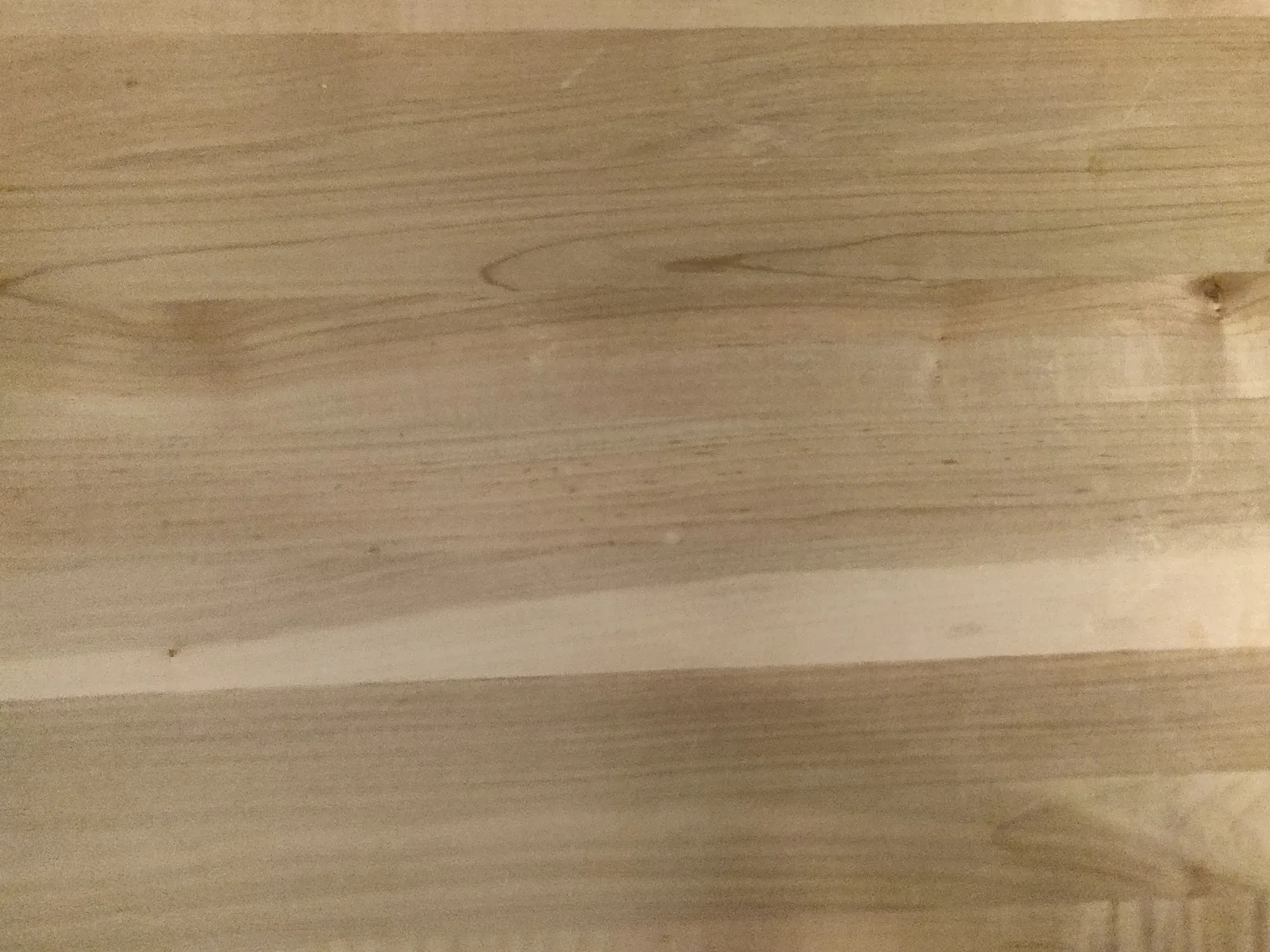
A clean, light surface with a calm natural appearance. Plywood is very useful for Montessori furniture, curved profiles, cut-outs, shelves and larger panels because it stays comparatively stable.
+306974764575
WhatsApp
+306974764575
+30 26710 29019 info@342.gr ENGR
MATERIALS FOR OUR KIDS COLLECTION
This page is specifically for our children’s furniture. We can build in plywood or solid wood, and we can also use real-wood veneer over plywood when we want the stability of a panel with the appearance of a selected timber species. The final material and finish are chosen according to the design, intended use, appearance and budget.
PLYWOOD
Good-quality plywood gives us a stable panel, layered strength and clean CNC-machined details. Its layered edge can be part of the design, or it can be covered depending on the look we want.

A clean, light surface with a calm natural appearance. Plywood is very useful for Montessori furniture, curved profiles, cut-outs, shelves and larger panels because it stays comparatively stable.

The edge shows the alternating veneer layers. We can leave this exposed as a design feature, sand and finish it carefully, or cover it with solid lipping / veneer when the design calls for a more traditional solid-wood appearance.

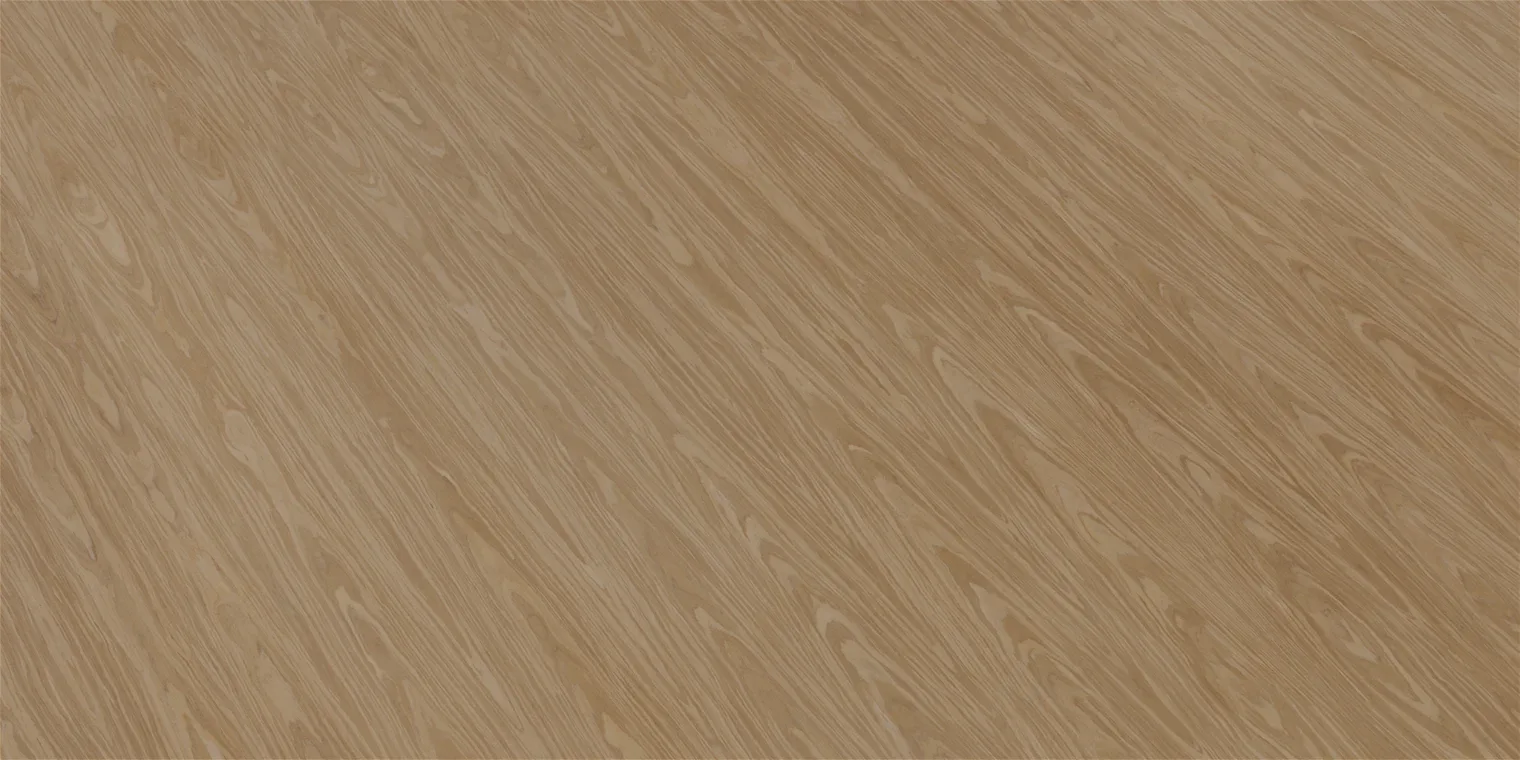
A real wood veneer can be applied over plywood so the piece keeps a stable panel core while taking on the colour and grain of the selected timber. Oak is common, and other veneers can be specified subject to availability.
SOLID WOOD OPTIONS
There is no single best wood for every piece. A bed, learning tower, chair or play structure can benefit from different materials.

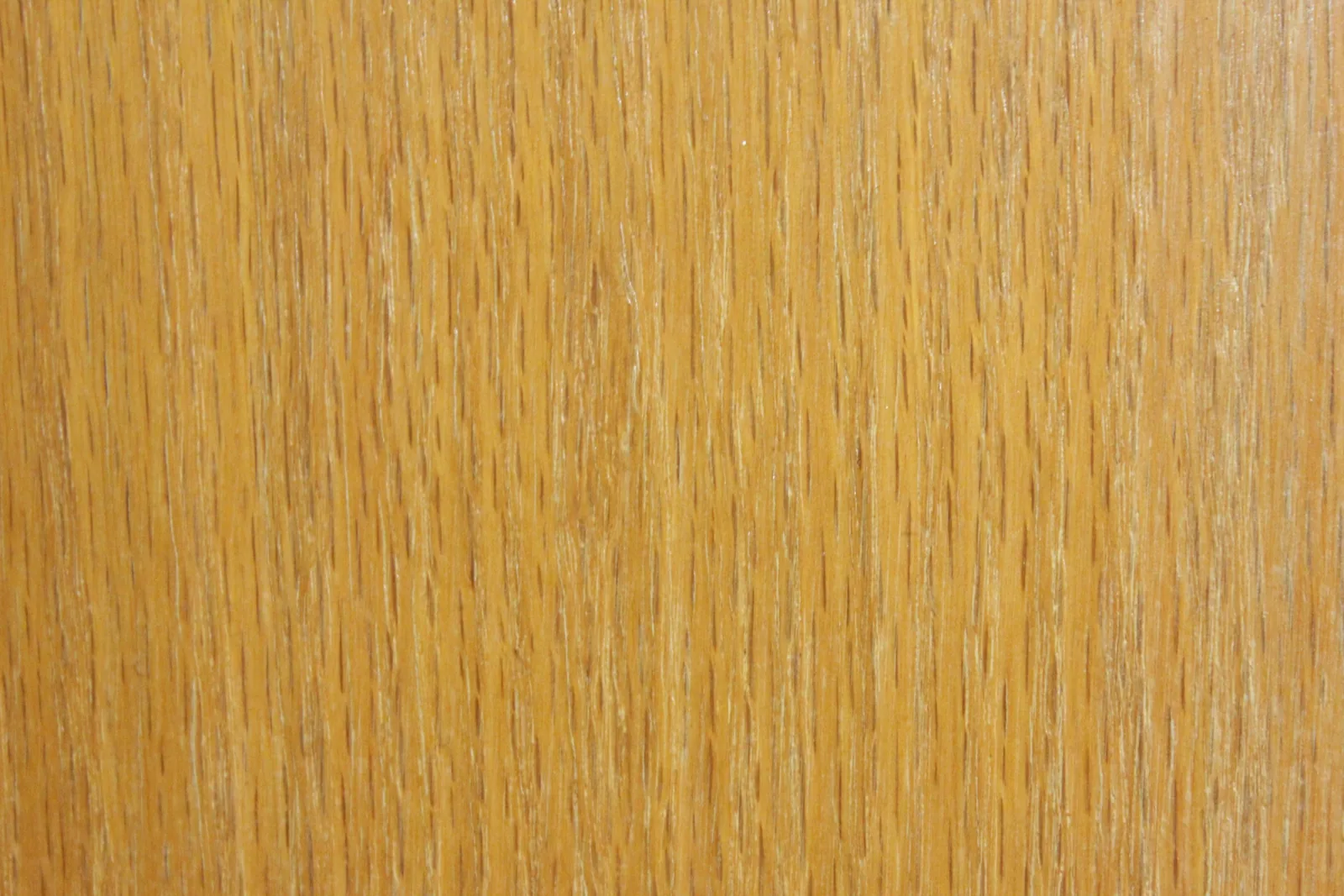
A hard, durable timber with a strong and recognisable grain. Oak feels substantial and premium, is heavier than the softwoods below and normally sits at the higher end of the material cost.

A hard wood with a fine, more even grain. Beech works very well for smooth rounded components, rails, chairs and parts where we want a clean, quiet appearance rather than the stronger grain of oak.

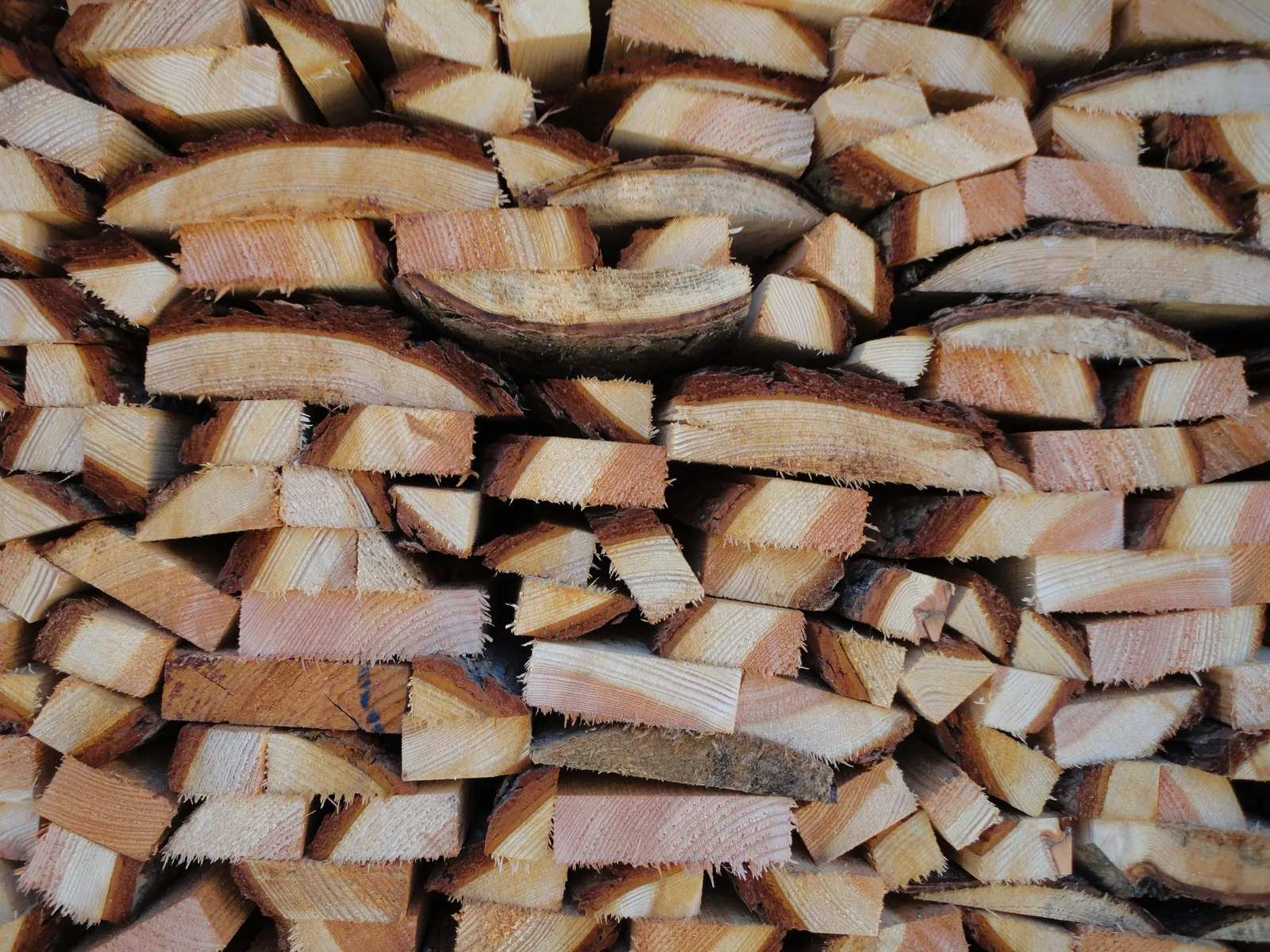
A pale, lightweight softwood. It is useful when we want a larger structure without the weight and cost of oak. Because it is softer, it can pick up dents and marks more easily than hardwood.

A warm softwood with more visible growth lines and natural character. Pine is practical and economical for larger beds and play structures, but like spruce/fir it is softer than oak or beech and will develop marks more easily with use.
NATURAL FINISHES
For our kids furniture we normally favour natural oil systems rather than a heavy film finish. The system is selected according to the construction, desired colour, use and budget, and the piece is allowed to cure fully before use.

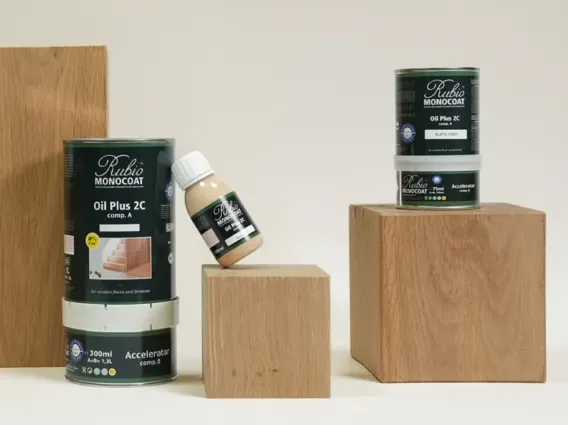
Our premium-colour oil option. Rubio lists Oil Plus 2C as a one-layer interior wood finish with 0% VOC, a wide colour range and Toy Safety / food-contact compliance. It keeps a natural look and feel while allowing many colour directions.

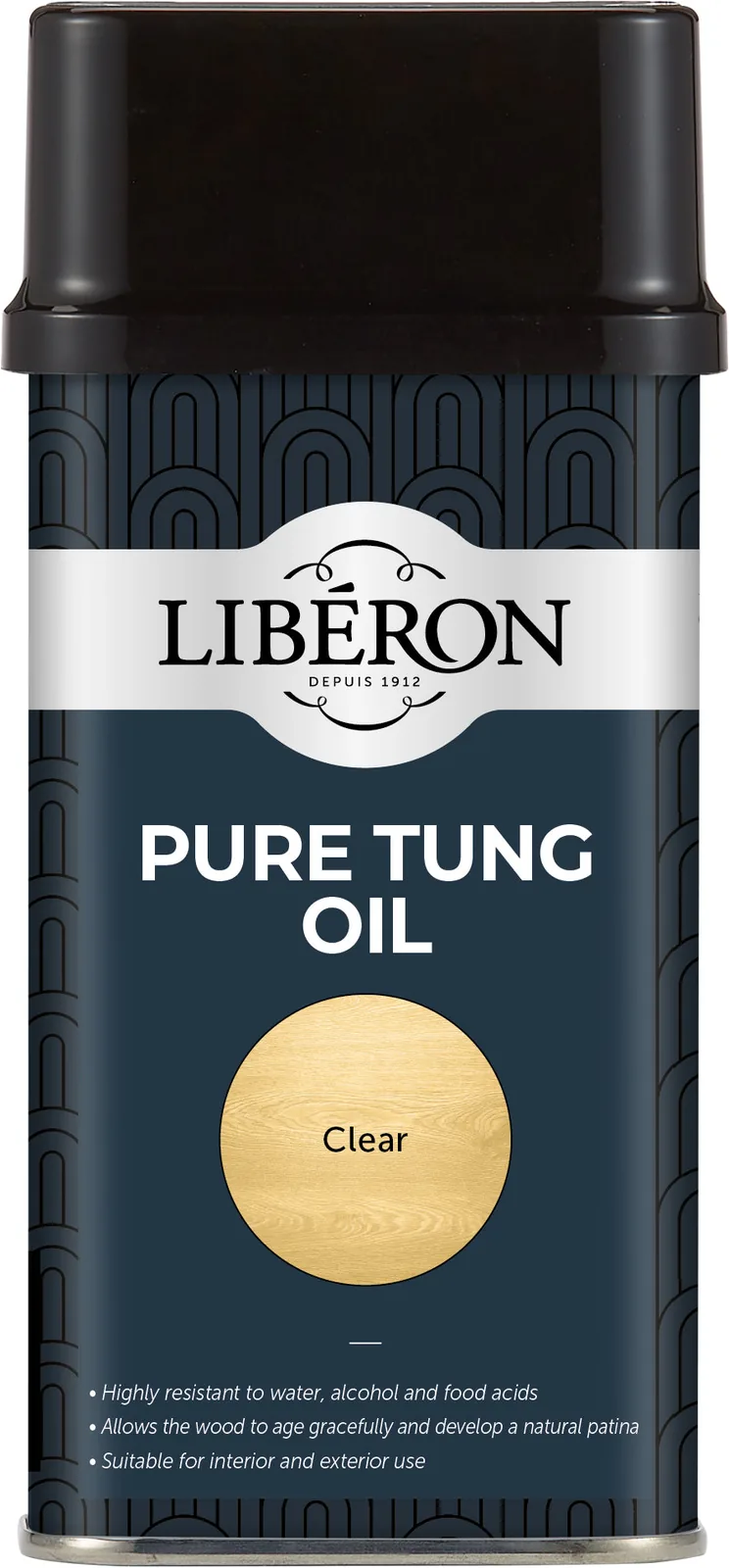
A penetrating natural oil that we use when a very natural timber feel is the priority. Liberon describes it as suitable for toys, with a matt finish and resistance to water, heat, alcohol and food acids. It needs a longer multi-coat application and curing process.

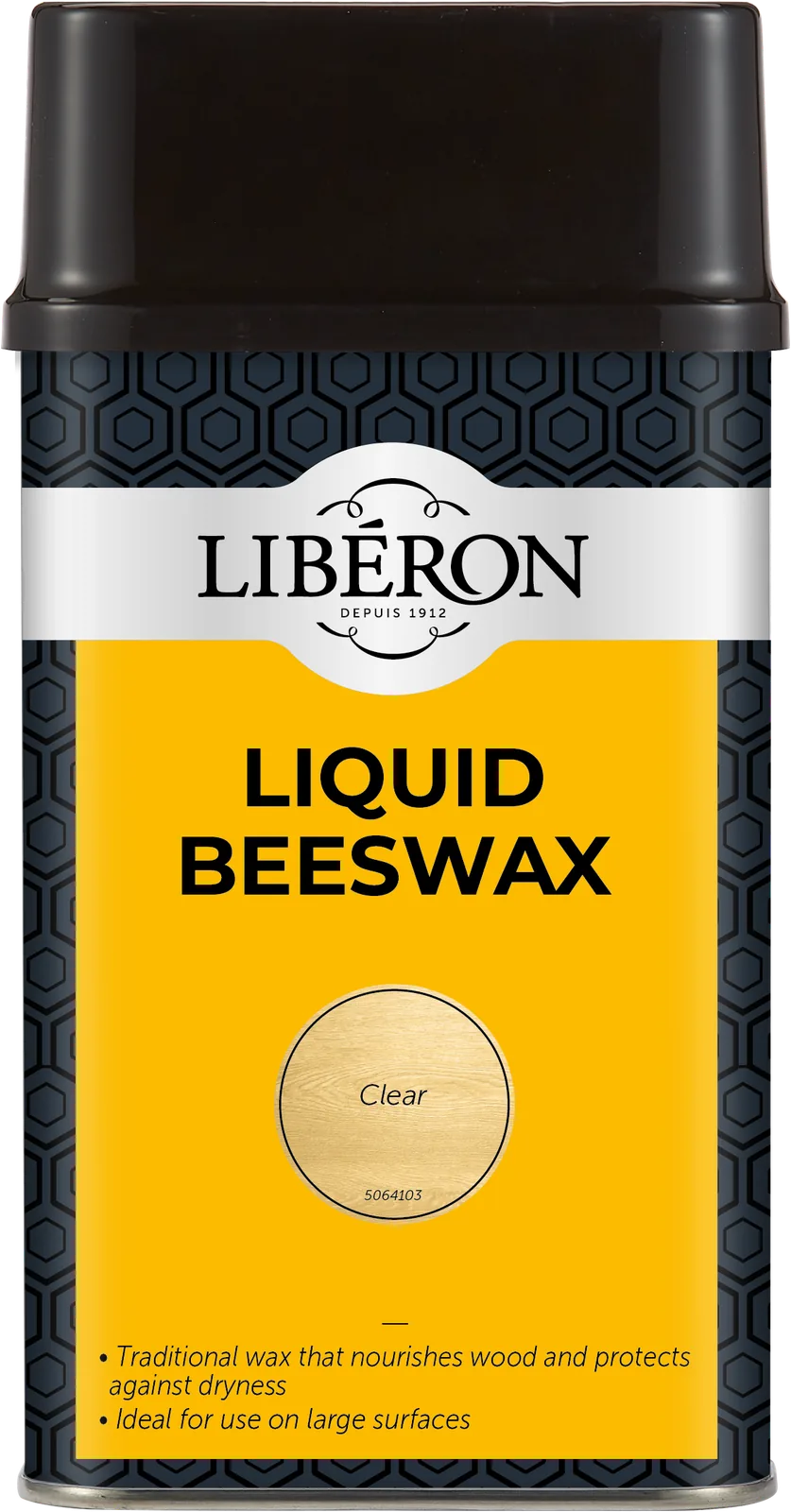
Where appropriate, we can use a liquid beeswax as the final wax stage over a compatible natural-oil system. It nourishes the timber and gives a soft, traditional feel. Wax needs periodic maintenance and is not our choice for wet or humid locations.
ON REQUEST
If the project calls for a film-forming coating, a specific sheen or a painted/lacquered specification, we can also use an acrylic varnish or lacquer system by request. Our usual recommendation, however, is to keep the wood as natural as possible.
CUSTOM MATERIAL SELECTION
Tell us which design you like and the look you want. We can recommend the wood, plywood, veneer and finishing system that make sense for the construction and your budget.